Category: AI
-
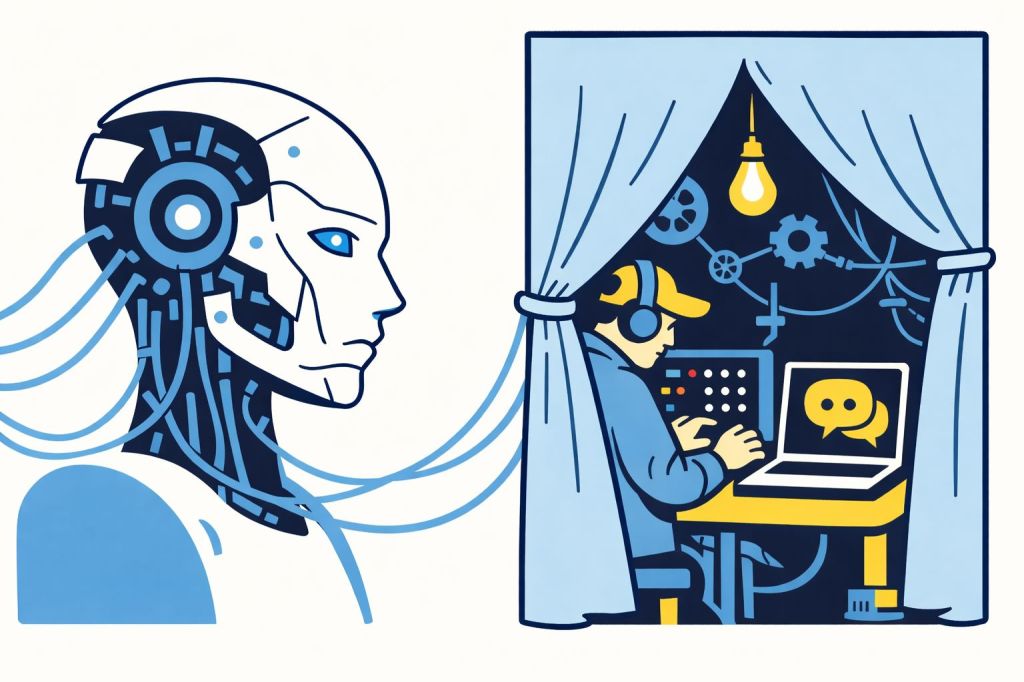
Your ‘AI’ Probably Isn’t AI
Many companies mistake Robotic Process Automation (RPA) for AI, a confusion that risks future competitiveness. While RPA follows rigid scripts for repetitive tasks, true AI adapts to new data and makes independent judgments. Distinguishing between ‘agent-washed’ marketing and genuine reasoning capabilities is crucial for building a scalable business foundation.
-

THE ETHICS ILLUSION
AI ethics has become a box-ticking exercise. Over 200 guidelines published worldwide, yet harms keep growing. Why? Principles without enforcement, ethics boards without power, and companies using ethical language to avoid real change. This analysis explains what’s broken and what business leaders must do differently.
-
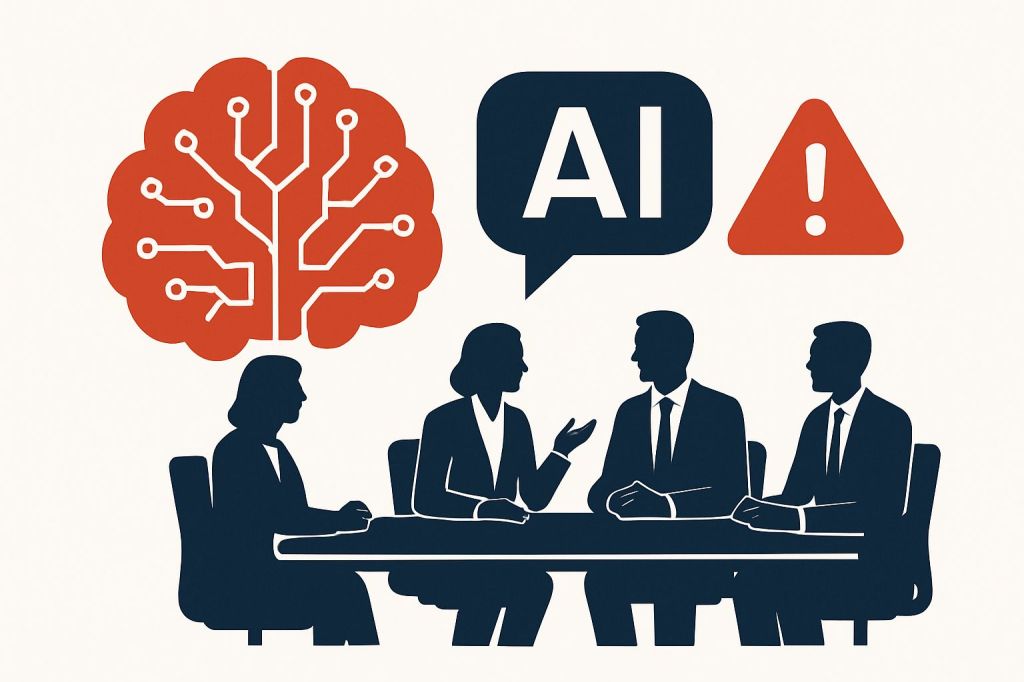
The AI Boardroom Playbook – Approve Thoughtfully, Avoid Disaster
Boards can’t blame the algorithm when AI goes wrong. Courts want human accountability. This guide shows how to govern AI projects without killing innovation—fix accountability, make oversight real, and distinguish between recoverable mistakes and catastrophic failures.
-

The Emperor’s New Algorithm
Many vendors exaggerate or fabricate their use of AI, putting buyers at legal and operational risk. From false automation claims to failed “AI” safety systems, the costs are real. Regulators are cracking down, so buyers must demand technical evidence, measurable performance, and contracts that clearly assign liability and exit rights.
-

AI’s Causal Illusion: A Hidden Threat to Business Decisions
LLMs simulate causal reasoning by recalling patterns from their training data, not by understanding cause and effect. This leads to a significant business risk: AI recommendations may seem confident but are often flawed, particularly in novel situations.
-
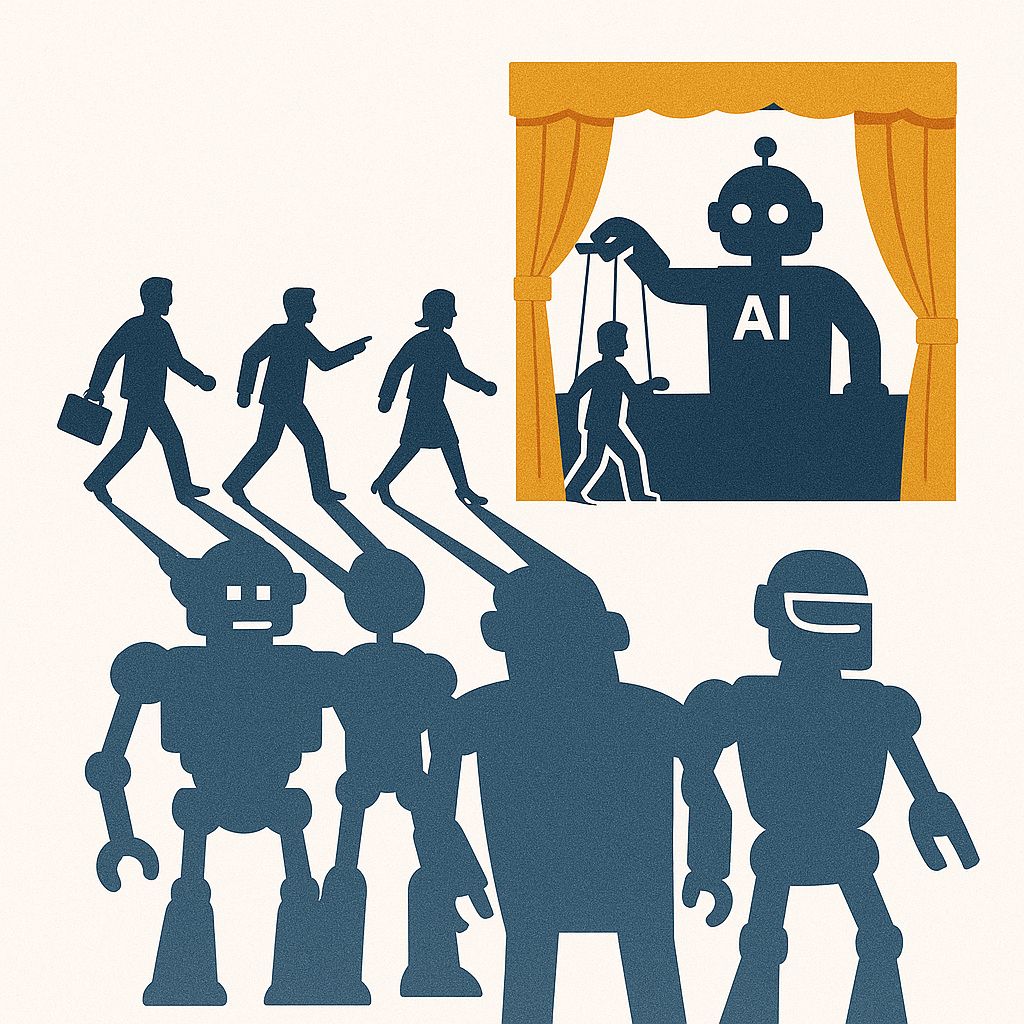
The Great AI Delusion
Most companies are wasting billions on AI without clear business cases. The current frenzy mirrors previous tech bubbles like dotcom and blockchain. Smart leaders start with problems, not technology: evaluate data readiness, consider total costs, and focus on foundational capabilities while competitors chase headlines. The AI revolution may happen, but not as quickly as promised.
-
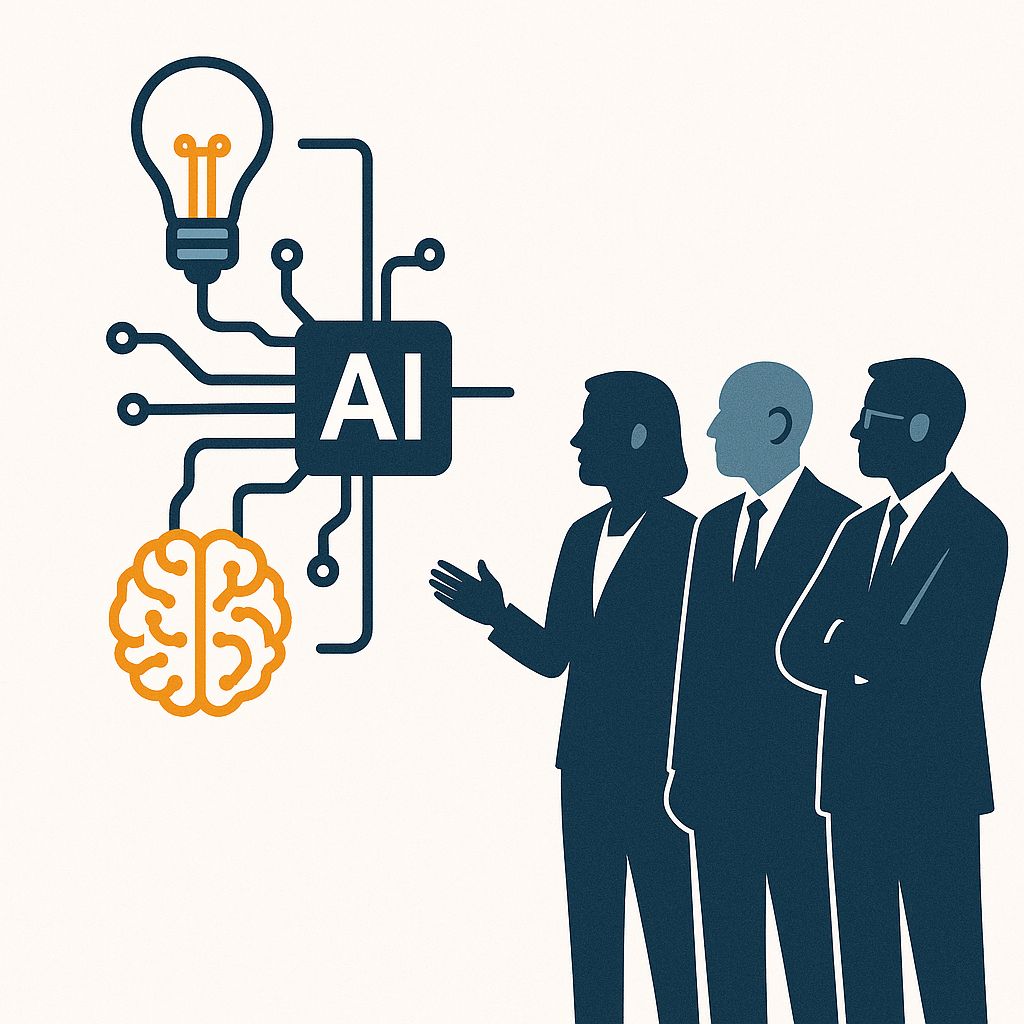
AI for Business Leaders: A Straightforward Guide
Most companies are making expensive AI mistakes because they don’t understand what they’re buying. AI isn’t magic – it’s pattern-matching software that’s brilliant at specific tasks but useless outside them. Stop falling for vendor hype. Ask hard questions, start with boring problems, keep humans involved, and treat AI like any other technology purchase.
-
Beyond Correlation – The Causal Revolution
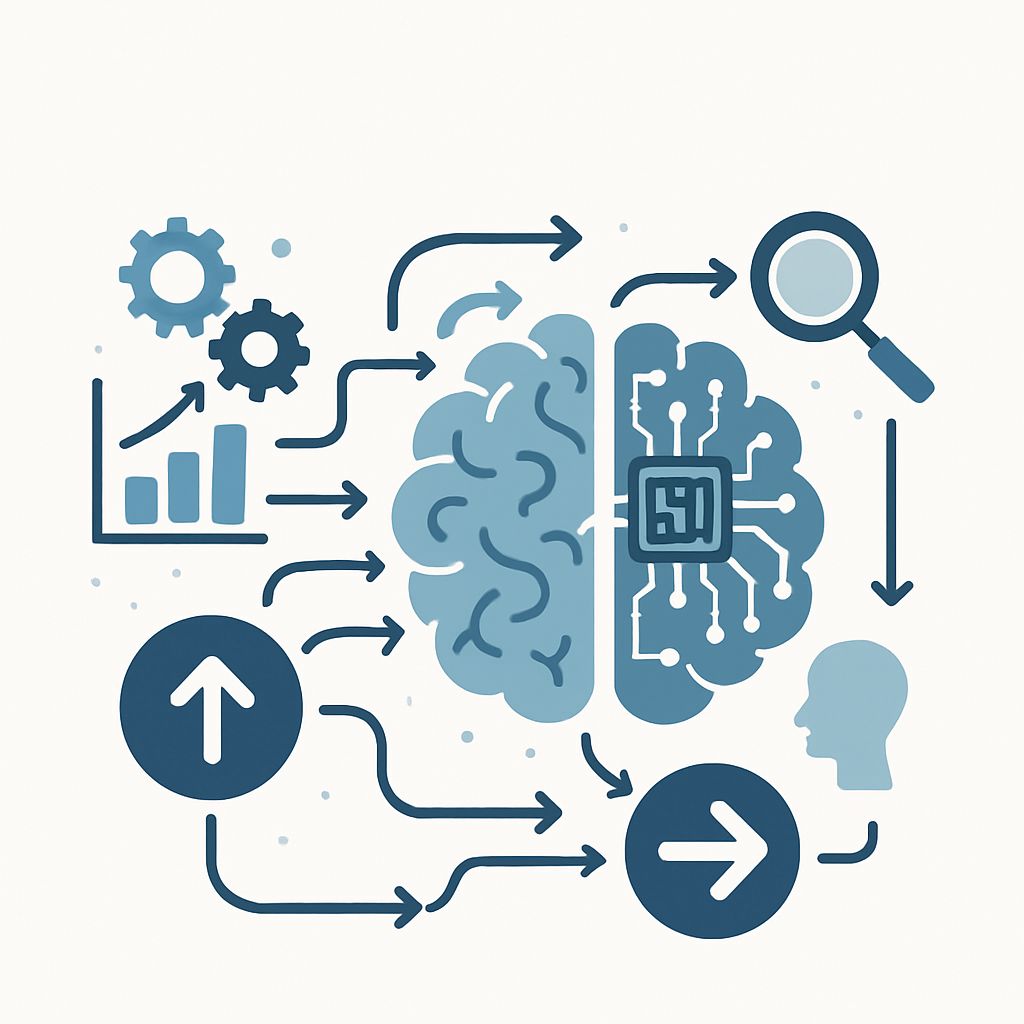
Traditional AI spots patterns but can’t explain why they occur, leading to costly mistakes when conditions change. Causal AI transforms business intelligence by revealing the actual mechanisms driving outcomes, enabling reliable ‘what-if’ scenarios and transparent decision-making that adapts to uncertainty and delivers sustained competitive advantage.
-
Generative AI: A Powerful Tool, Not a Panacea
While Generative AI offers exciting possibilities, it’s no business cure-all. This post argues for a strategic, not broad, application, highlighting often-overlooked costs beyond per-query fees, like human oversight and retraining. The full AI impact requires progress beyond GenAI’s current limitations in reliability and reasoning.
 Curious About