Tag: business
-
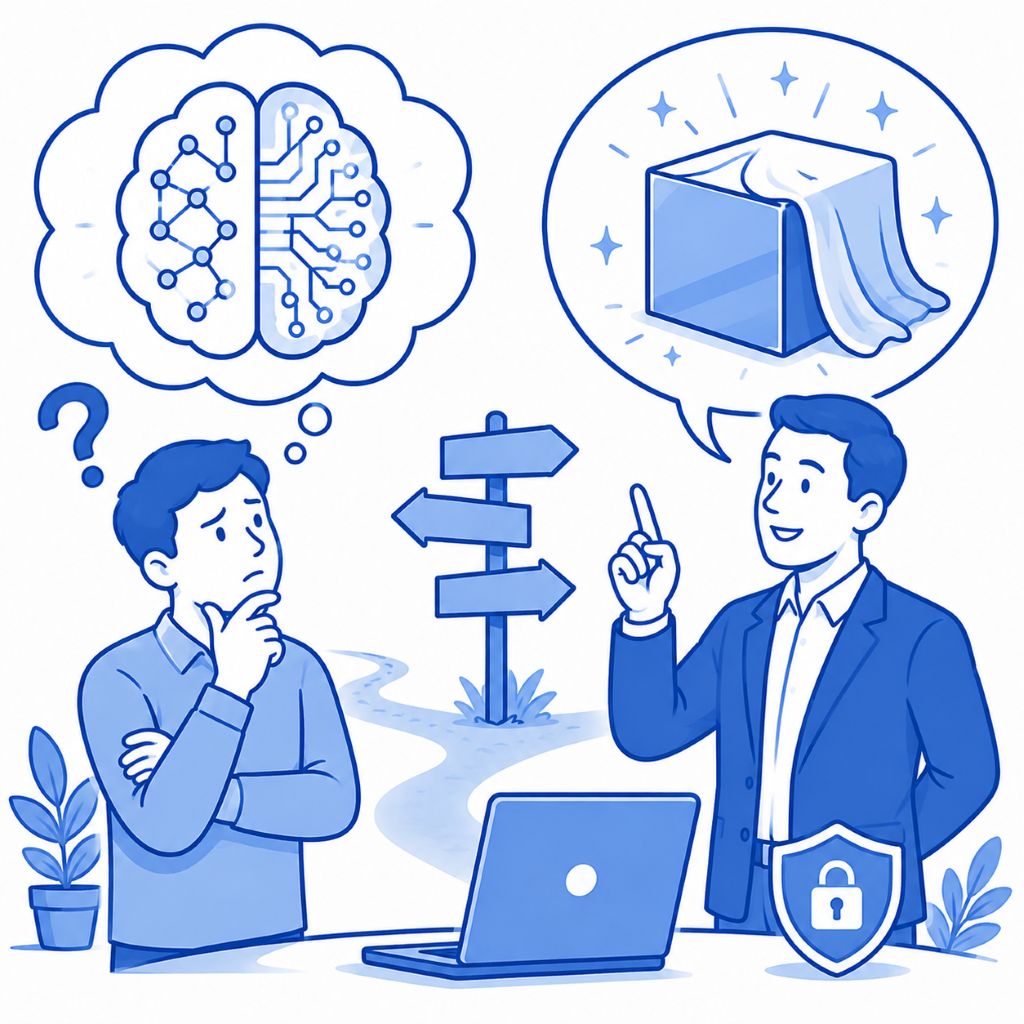
What Does ‘AGI’ Actually Mean? (And Why Your Vendor Won’t Tell You)
Before debating AGI timing, ask: under which definition? Vendors, regulators, AI firms, and academics each mean something different by the same term. Until boards determine which is being used, every conversation about when AGI arrives will miss the point.
-
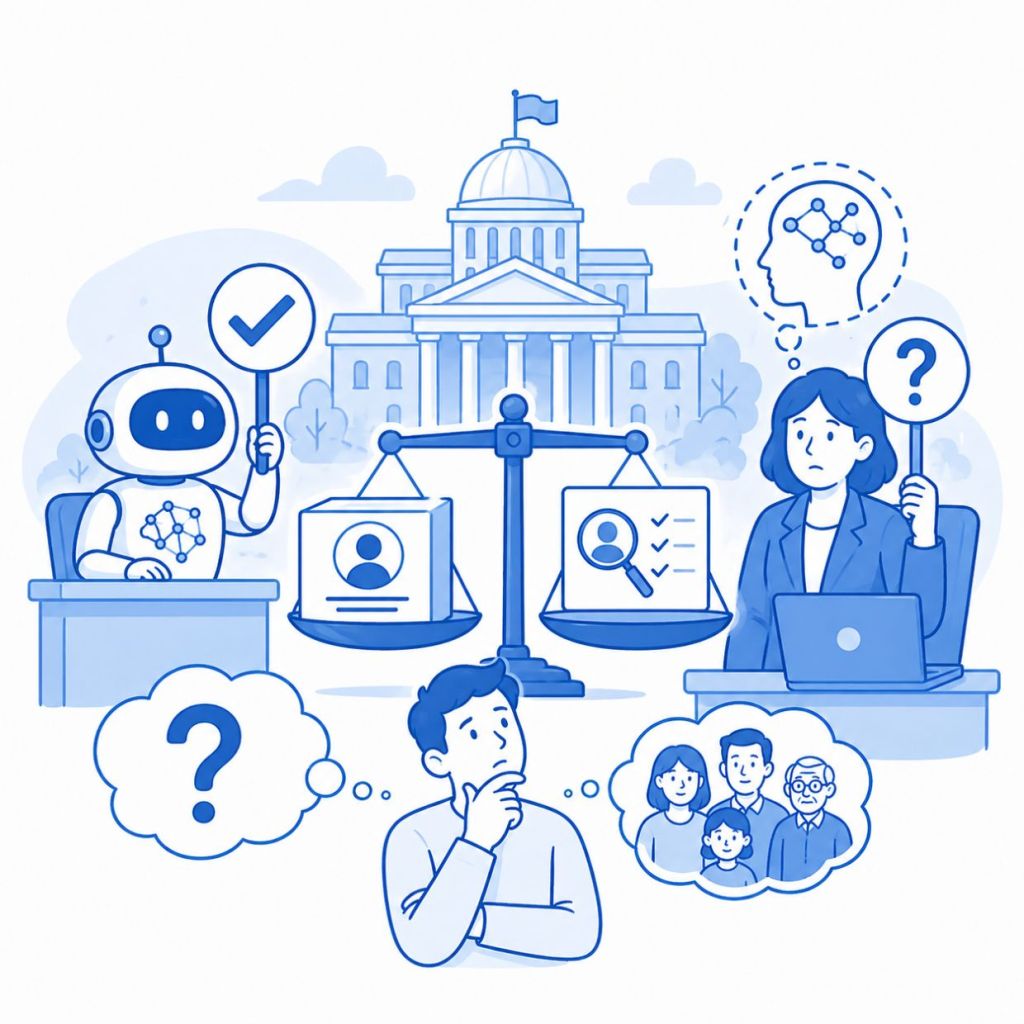
If Public Sector AI Can’t Explain the Decision, Should It Be Making It?
Most AI systems can predict outcomes but cannot explain why. For the public sector, where decisions affect citizens’ lives and must be transparent, auditable, and evidence-based, that gap is a democratic problem. Causal AI, which models genuine cause and effect, offers a way to close it.
-
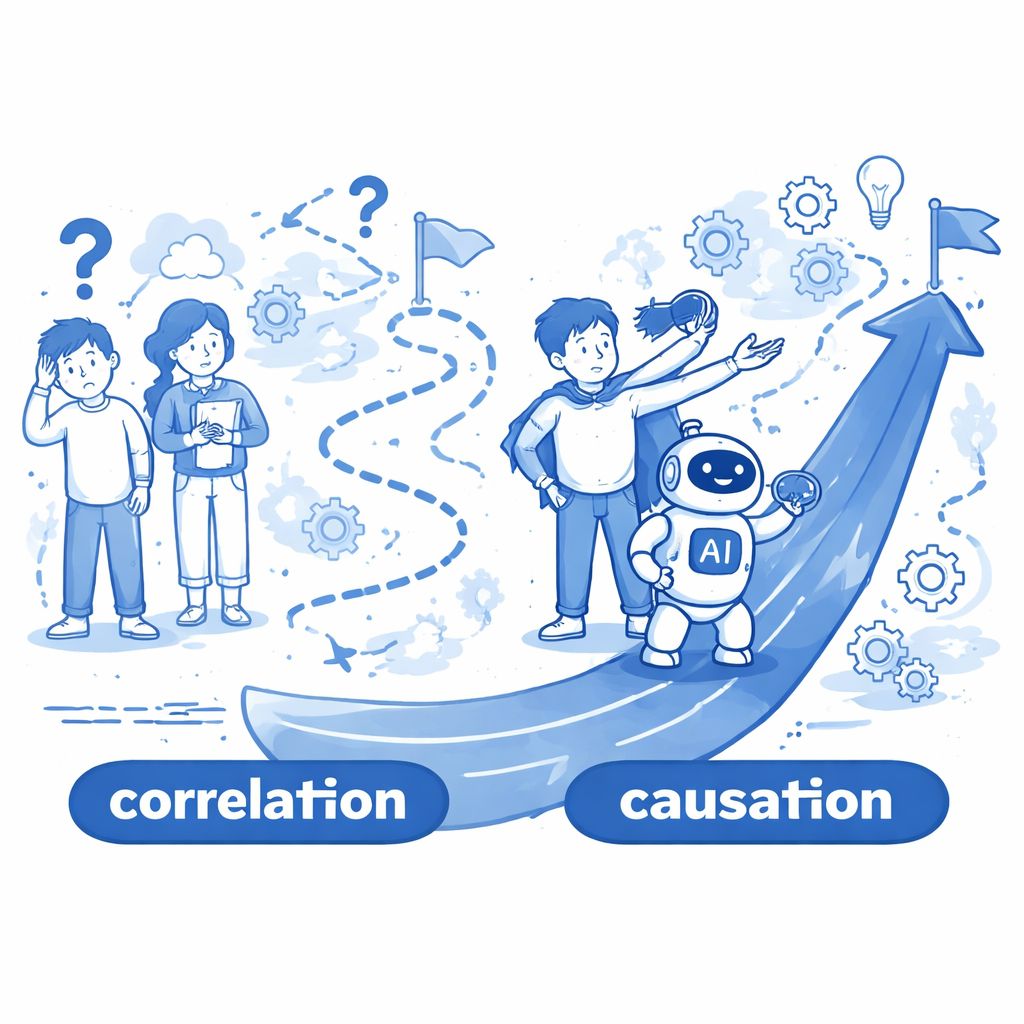
Correlation Got Us Here, But Causation Gets Us There!
A hotel chain spent £4 million upgrading breakfasts after data showed high breakfast ratings correlated with guest loyalty. Rebooking rates barely moved. The real driver was management quality – breakfast was just a symptom. Most organisations face this same trap. Knowing the difference changes everything.
-
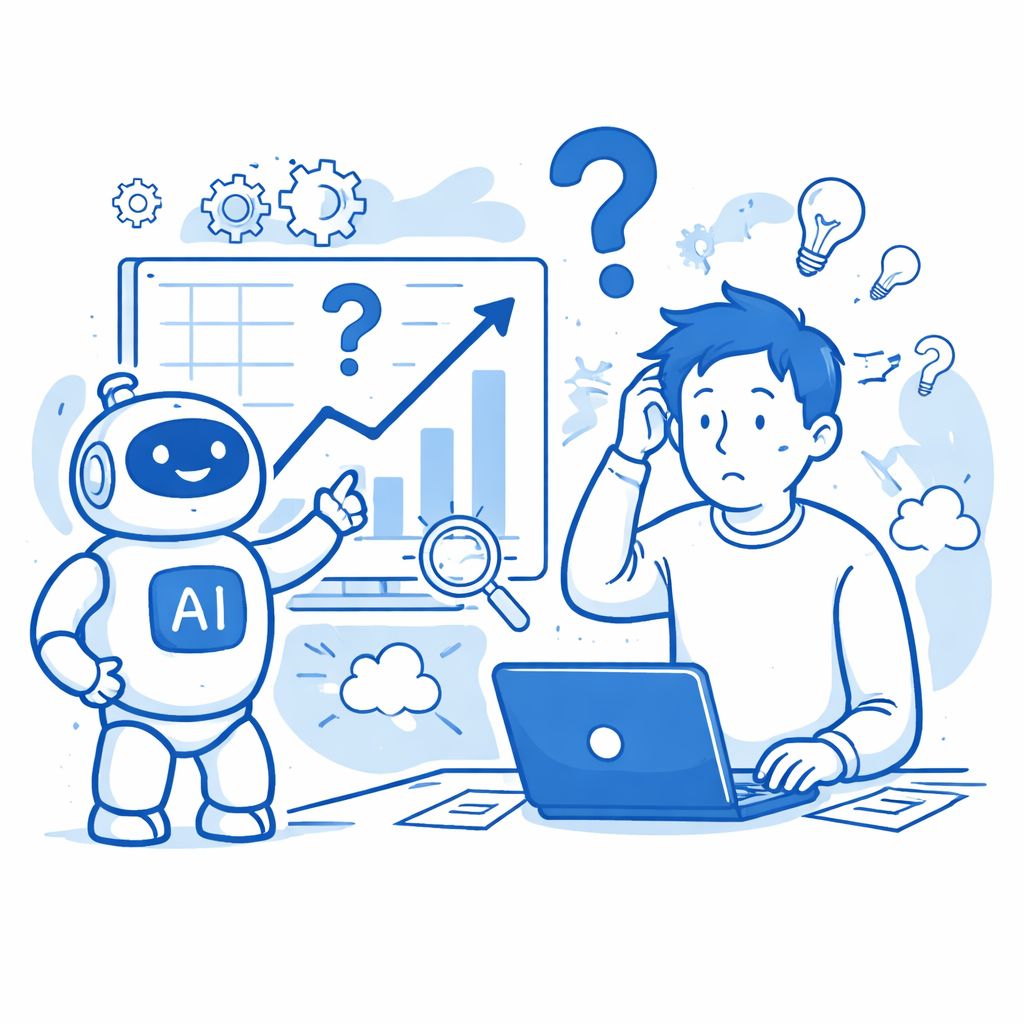
Your AI Can Predict. But Can It Explain Why?
Today’s, Generative, AI can predict with impressive accuracy, but 74% of the time its stated reasoning doesn’t reflect how it actually reached its conclusion. As organisations push AI into higher-stakes decisions, that explanation gap is becoming a board-level governance liability. Causal AI offers a way to close it.
-
Your Employees Are Already Using AI
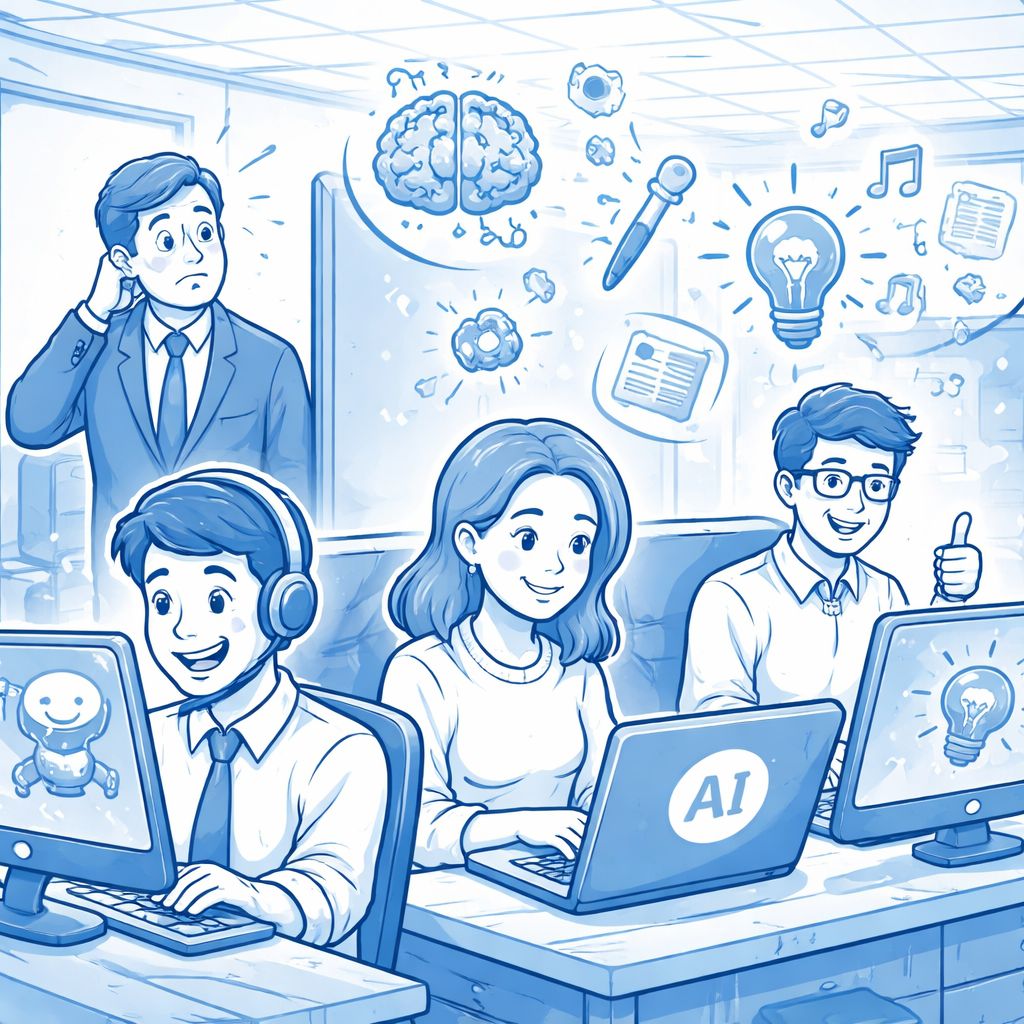
Most companies are spending billions on AI programmes that aren’t delivering. Meanwhile, their own employees have quietly found AI tools that work and are using them without permission. The smartest organisations aren’t trying to stop this. They’re learning from it.
-
Is Enterprise AI Actually Working?
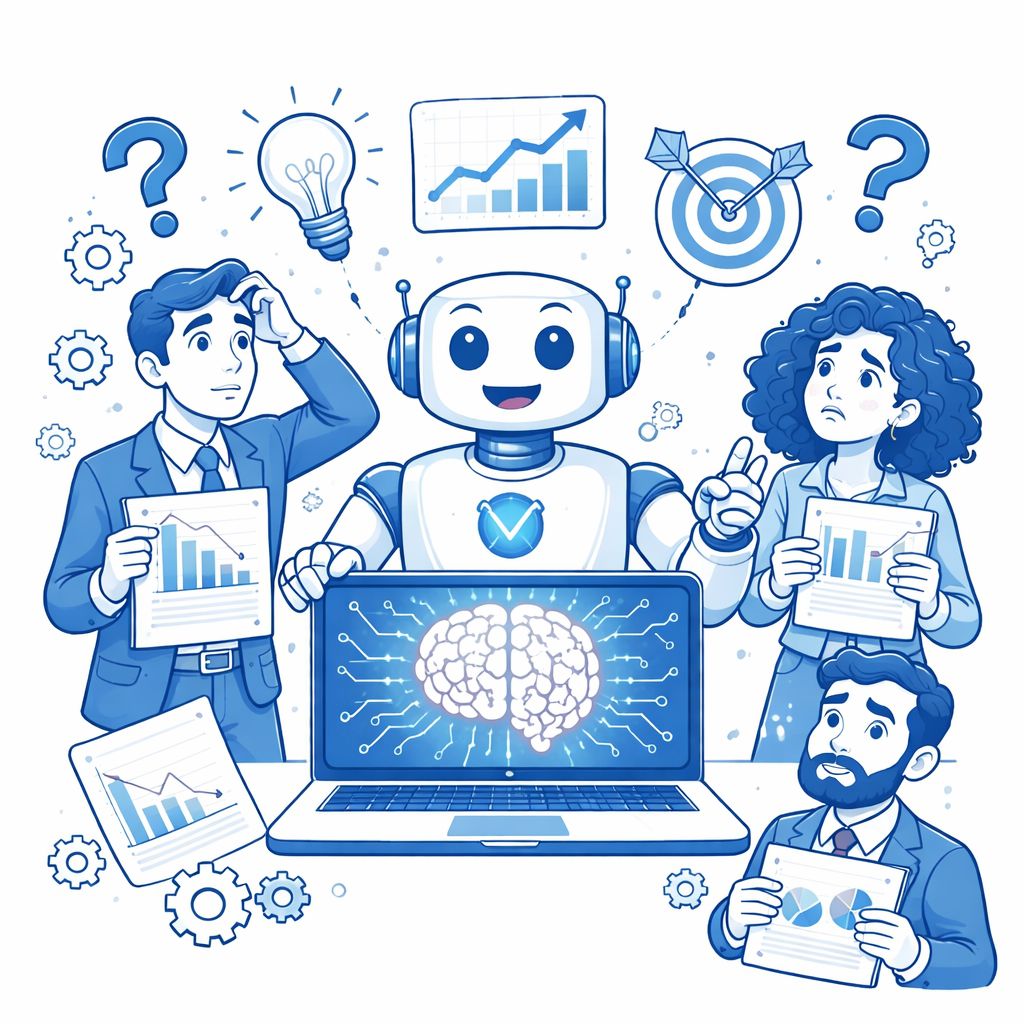
While enterprise AI spending is skyrocketing, 95% of pilots fail to deliver measurable financial returns. The issue isn’t the technology, it’s organisational strategy. Success belongs to the “5%” who prioritize back-office automation, favour specialist vendors over in-house builds, and treat AI adoption as a change management challenge rather than a technical one.
-

Quantum Computing: A Few Things Every Business Leader Needs to Know
Quantum computers are no longer decades away. Technology advances are being made rapidly. Banks have already started using quantum computers. Drug firms are experimenting. Much of your encryption will eventually fail. Fewer than 5% of businesses have a plan. Here’s what leaders need to know, and do, now.
-
Your ‘AI’ Probably Isn’t AI
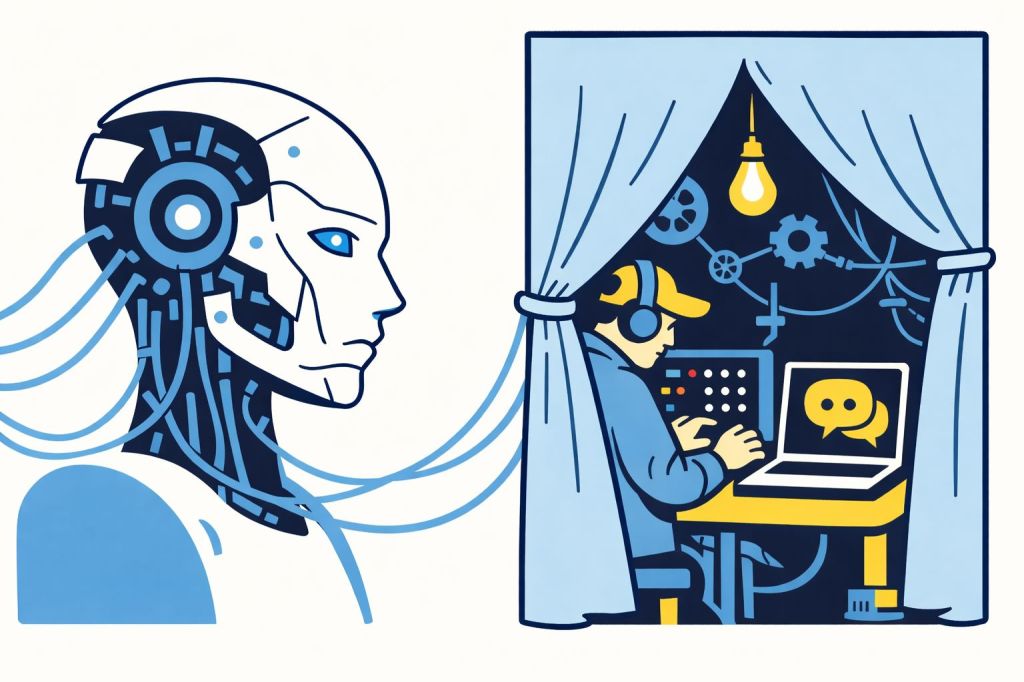
Many companies mistake Robotic Process Automation (RPA) for AI, a confusion that risks future competitiveness. While RPA follows rigid scripts for repetitive tasks, true AI adapts to new data and makes independent judgments. Distinguishing between ‘agent-washed’ marketing and genuine reasoning capabilities is crucial for building a scalable business foundation.
-
Stop Blaming People
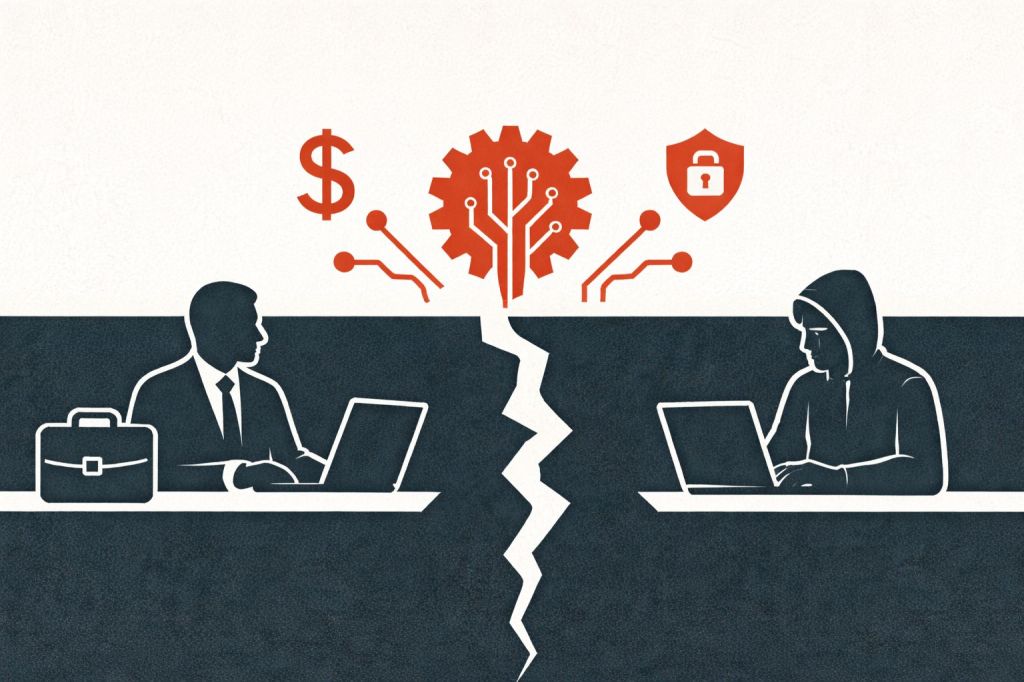
The security–business divide isn’t a people problem, it’s a systems problem. Misaligned structures, incentives, and information create friction. Real progress comes from redesigning how organisations coordinate security and business decisions—building shared understanding, embedding security into strategy, and working as true partners rather than adversaries.
-
The AI Boardroom Playbook – Approve Thoughtfully, Avoid Disaster
Boards can’t blame the algorithm when AI goes wrong. Courts want human accountability. This guide shows how to govern AI projects without killing innovation—fix accountability, make oversight real, and distinguish between recoverable mistakes and catastrophic failures.

