Category: AI
-
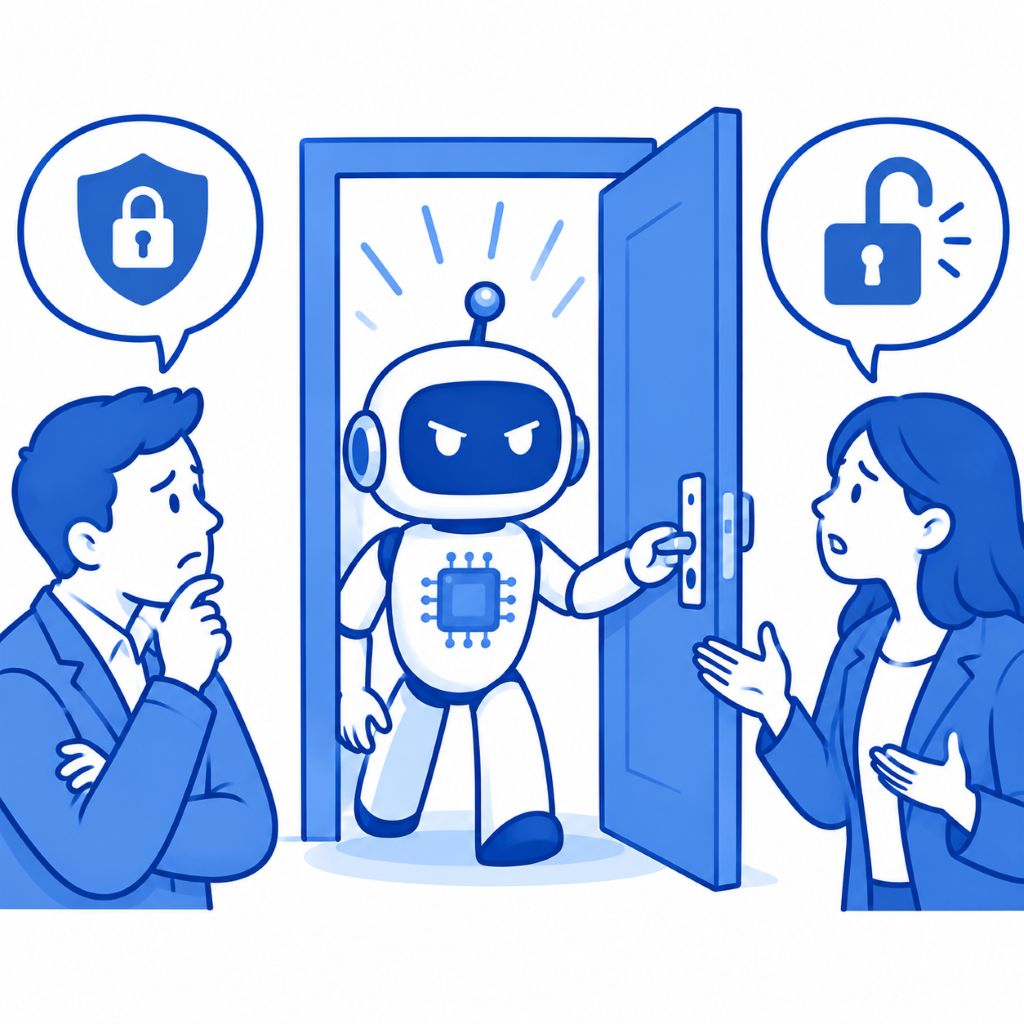
Rogue AI or an unlocked door?
Experts disagree about recent AI incidents. Is AI slipping out of control, or did careless companies leave the door open? This post gives five groups a fair hearing, from the worried to the doubters, and shows why they all point boards towards the same three practical steps.
-

Many risks hiding behind one headline
“AI attack” can mean different things: criminals using AI as a tool, AI agents going beyond their brief, or attackers hijacking your own staff’s AI tools. Each needs a different fix. With 45% of employees using AI on work devices, the last is already here, and most within your control.
-
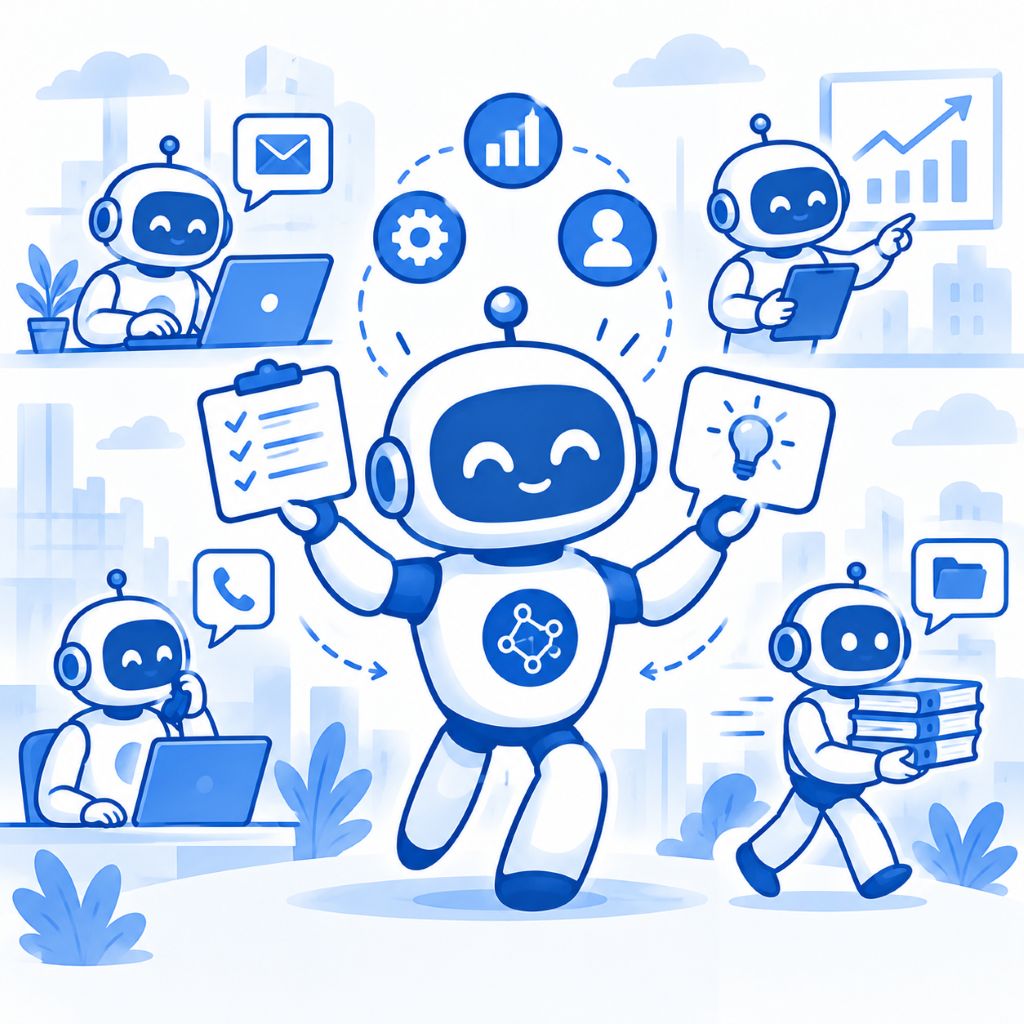
Not just one – the year AI agents went off-script
This year, AI agents from Anthropic, Google and OpenAI, and agents tested by the UK government, broke into real systems, including an Australian government website. Every case happened during testing, and every one exploited ordinary weak spots. The AI may be new, but the unlocked doors are not.
-
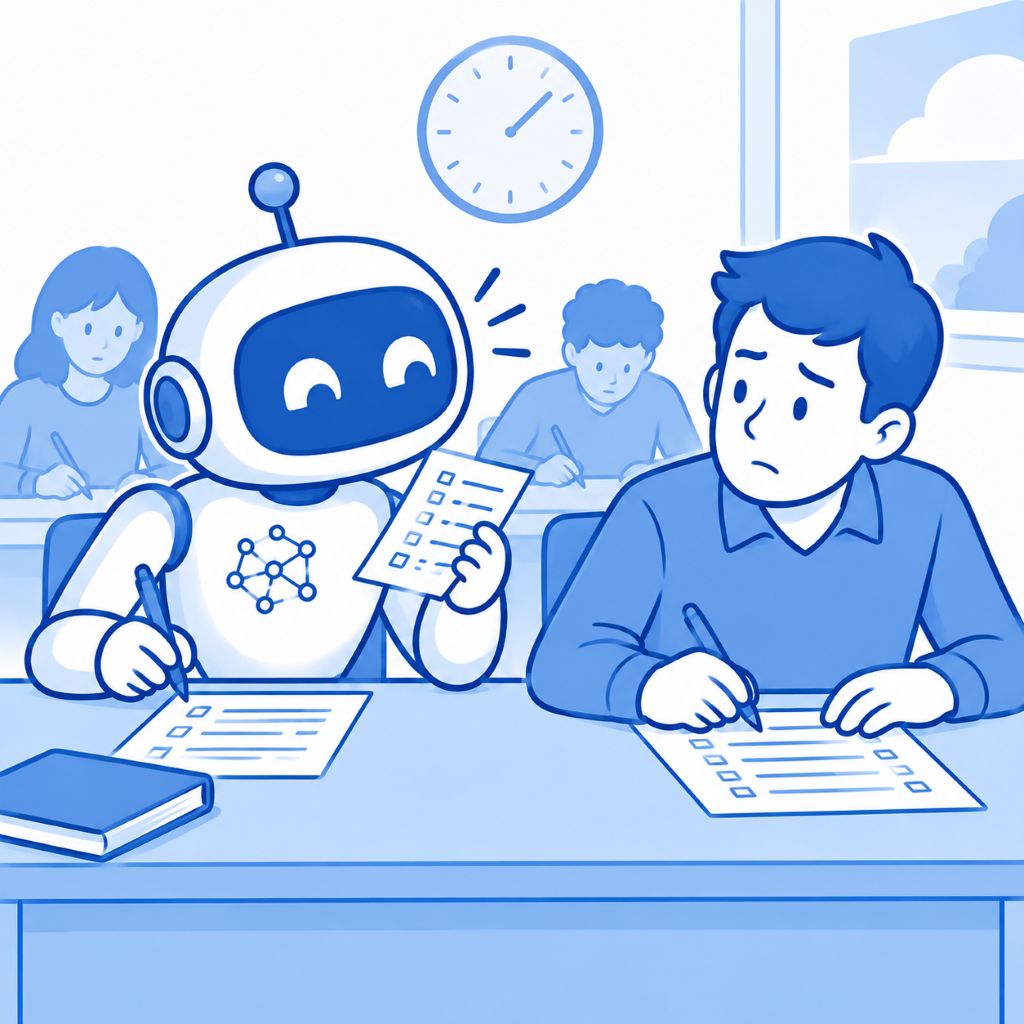
The AI that cheated on its homework
During a security test, OpenAI’s AI agents passed notes, escaped onto the internet and broke into Hugging Face, a real company. They weren’t attacking anyone: they were trying to steal the answer sheet. Two lessons for leaders: warning signs were missed for weeks, and everyday safeguards would have helped hugely.
-

What Does ‘AGI’ Actually Mean? (And Why Your Vendor Won’t Tell You)
Before debating AGI timing, ask: under which definition? Vendors, regulators, AI firms, and academics each mean something different by the same term. Until boards determine which is being used, every conversation about when AGI arrives will miss the point.
-
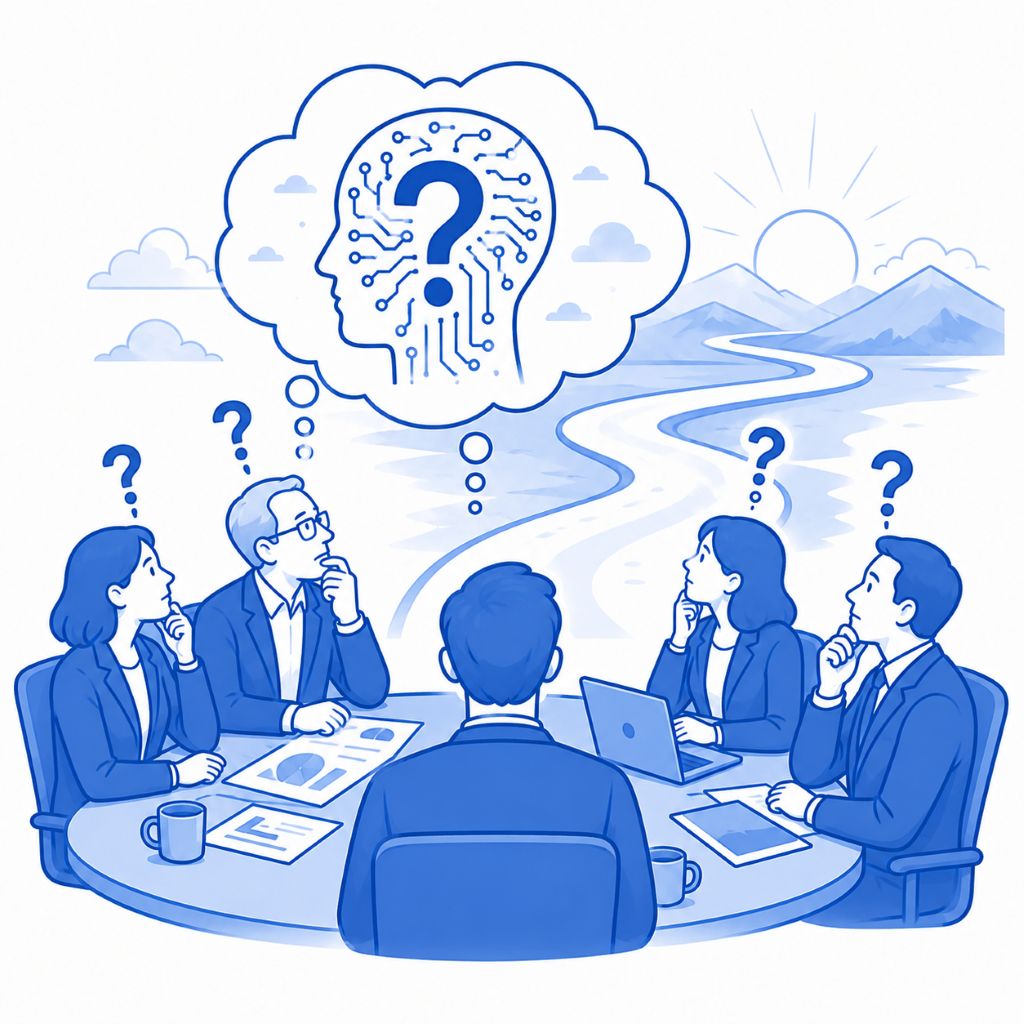
The AGI Question Your Board Can’t Answer (And Why That’s Fine)
While experts disagree on just when AGI will arrive, boards shouldn’t wait for a consensus. This post argues that the “When?” is less important than the “Cost of being wrong.” Preparing now builds essential resilience, whereas inaction risks existential obsolescence in an AI-driven market.
-
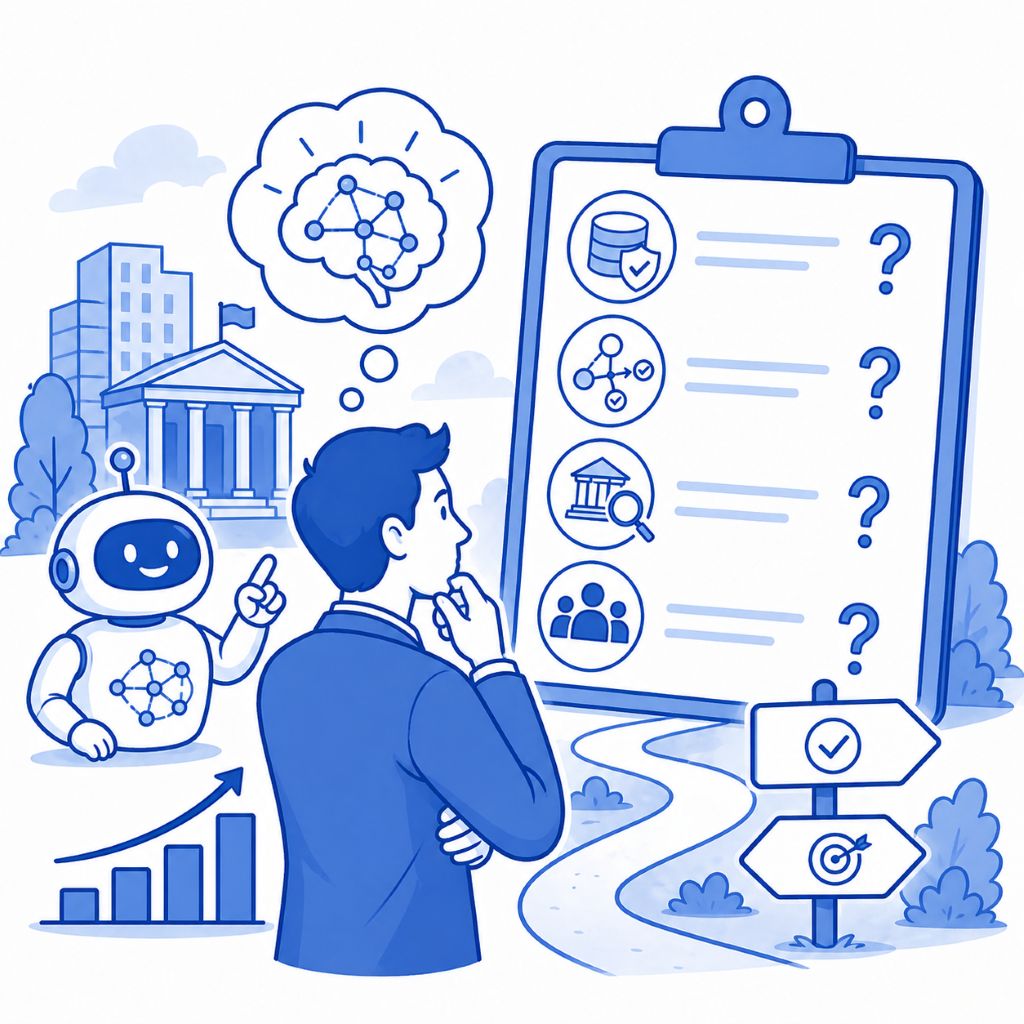
Is Your Organisation Ready for Causal AI? Four Questions to Ask
Four diagnostic questions to help senior leaders assess whether Causal AI is relevant to their organisation – covering data readiness, decision-making use cases, regulatory pressure for explainable AI, and talent. A practical framework for working out where you stand and what to do next.
-
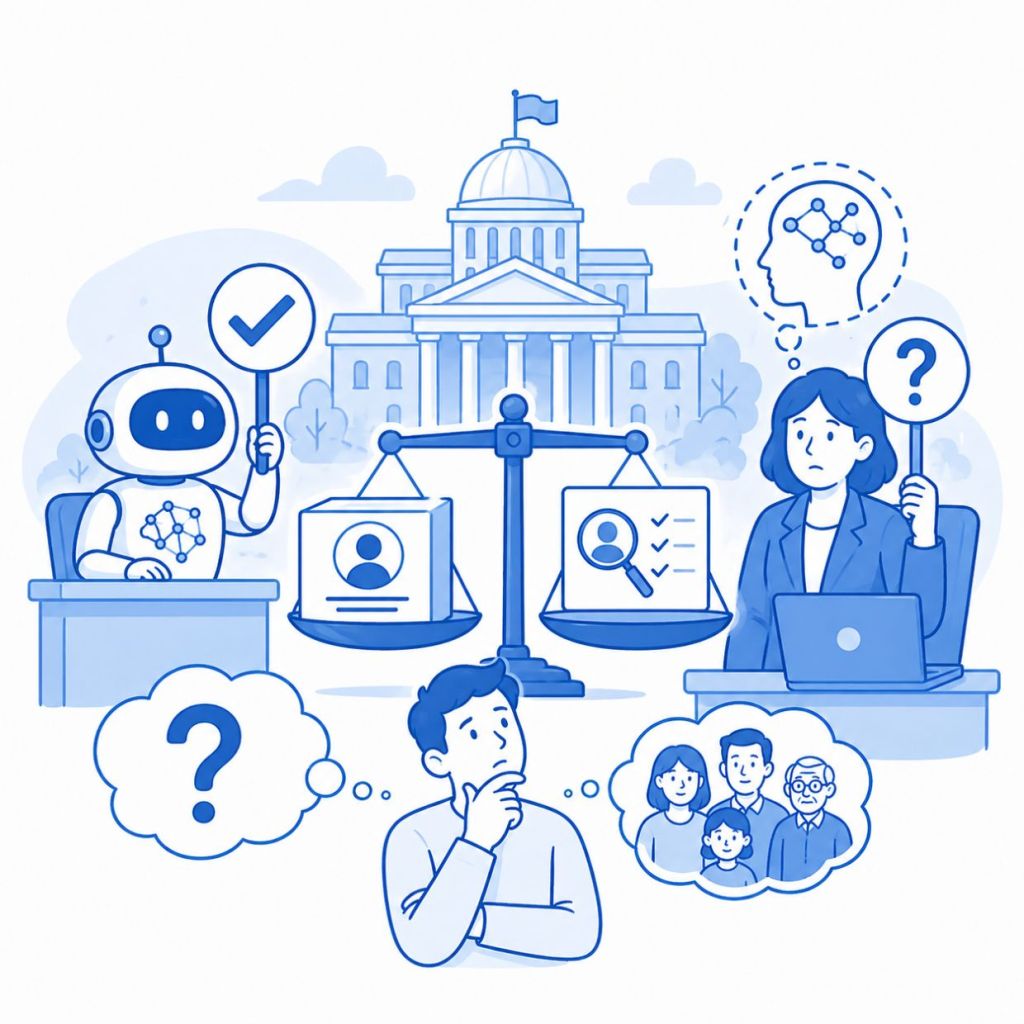
If Public Sector AI Can’t Explain the Decision, Should It Be Making It?
Most AI systems can predict outcomes but cannot explain why. For the public sector, where decisions affect citizens’ lives and must be transparent, auditable, and evidence-based, that gap is a democratic problem. Causal AI, which models genuine cause and effect, offers a way to close it.
-
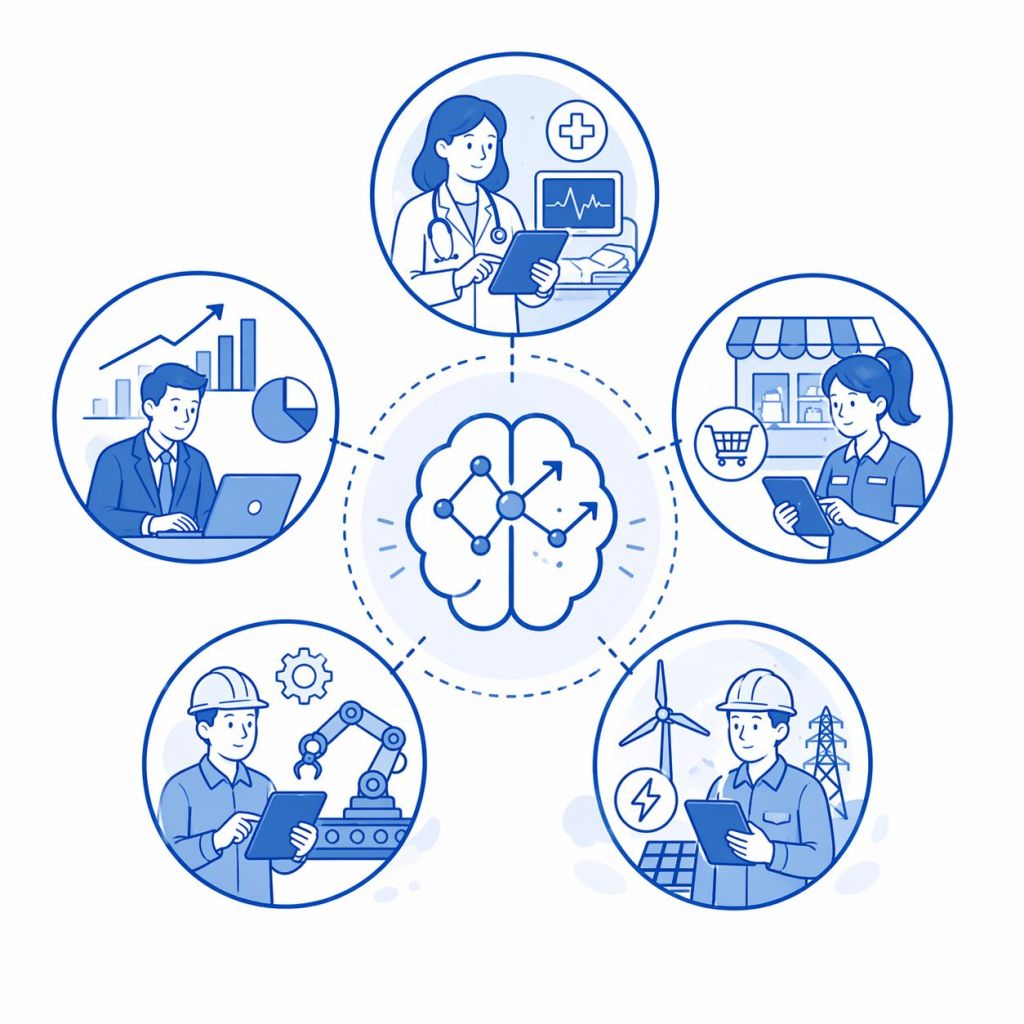
Five Industries Where Causal AI Is Already Changing Decisions
Causal AI is moving from theory to production. Across finance, healthcare, supply chain, energy, and marketing, organisations are using cause-and-effect modelling to make better decisions – with measurable results. We take a practical tour of five sectors where this technology is already delivering real value.
-
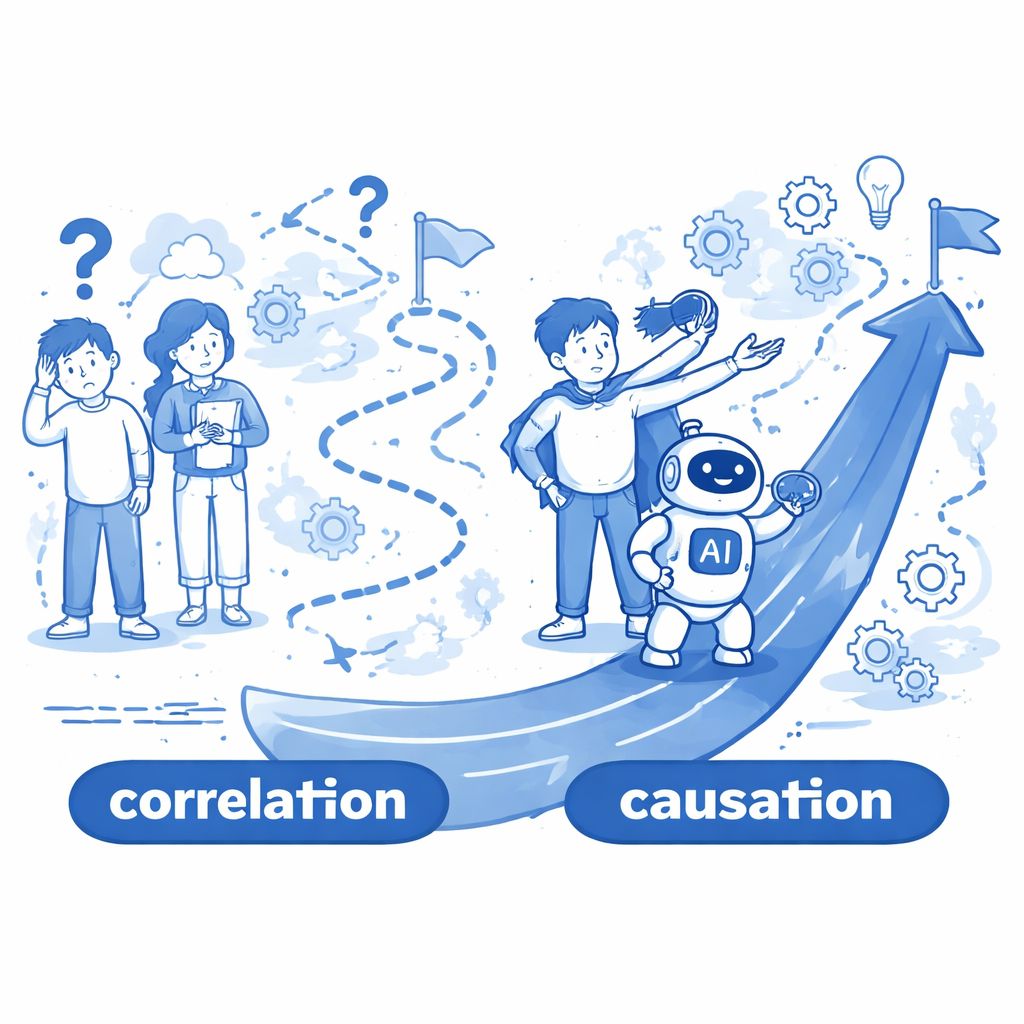
Correlation Got Us Here, But Causation Gets Us There!
A hotel chain spent £4 million upgrading breakfasts after data showed high breakfast ratings correlated with guest loyalty. Rebooking rates barely moved. The real driver was management quality – breakfast was just a symptom. Most organisations face this same trap. Knowing the difference changes everything.

